
Date/Time: Wednesday December 10, 2025 starting at 7:30PM
Location: University of Victoria, Elliott 162. Park in Lot 1 (pay parking) and cross Ring Road – please note the room change!
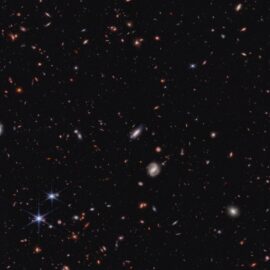
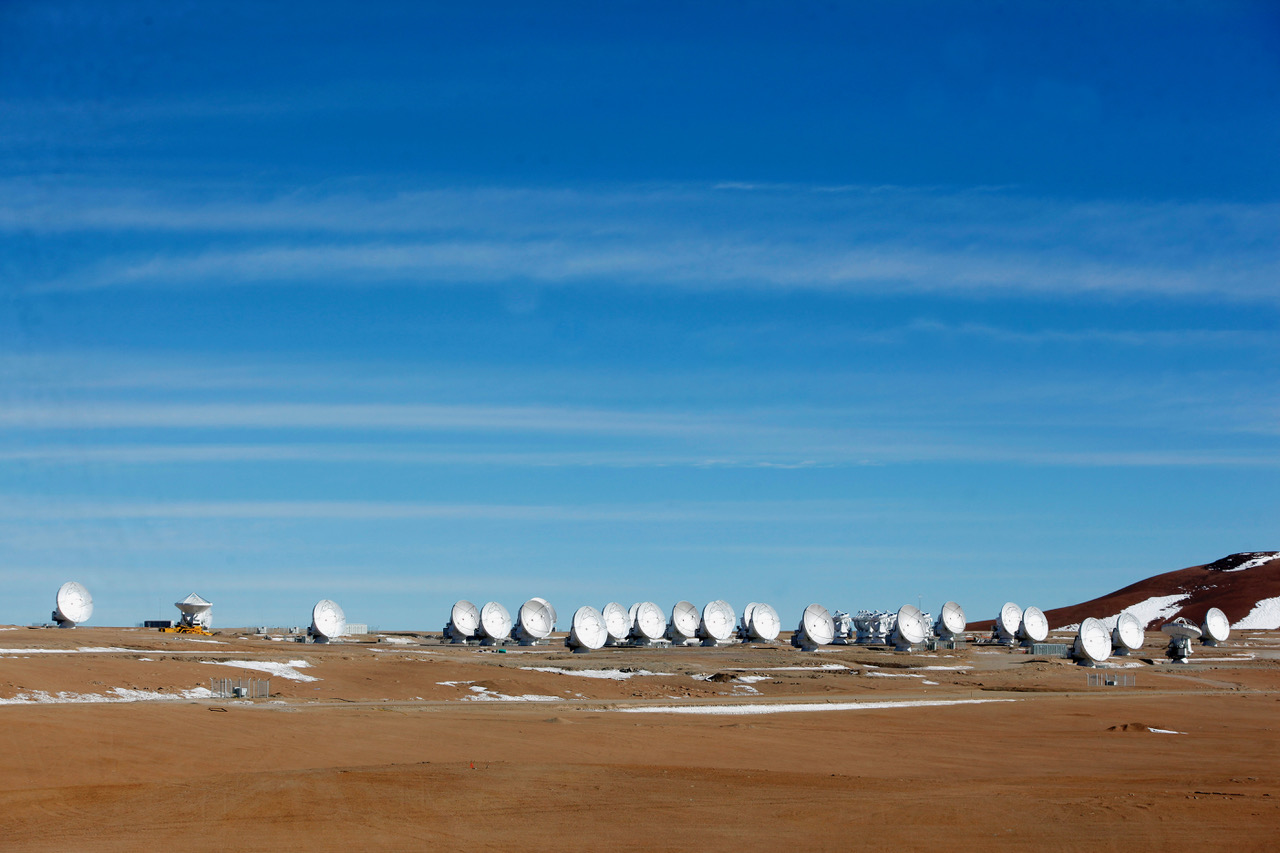
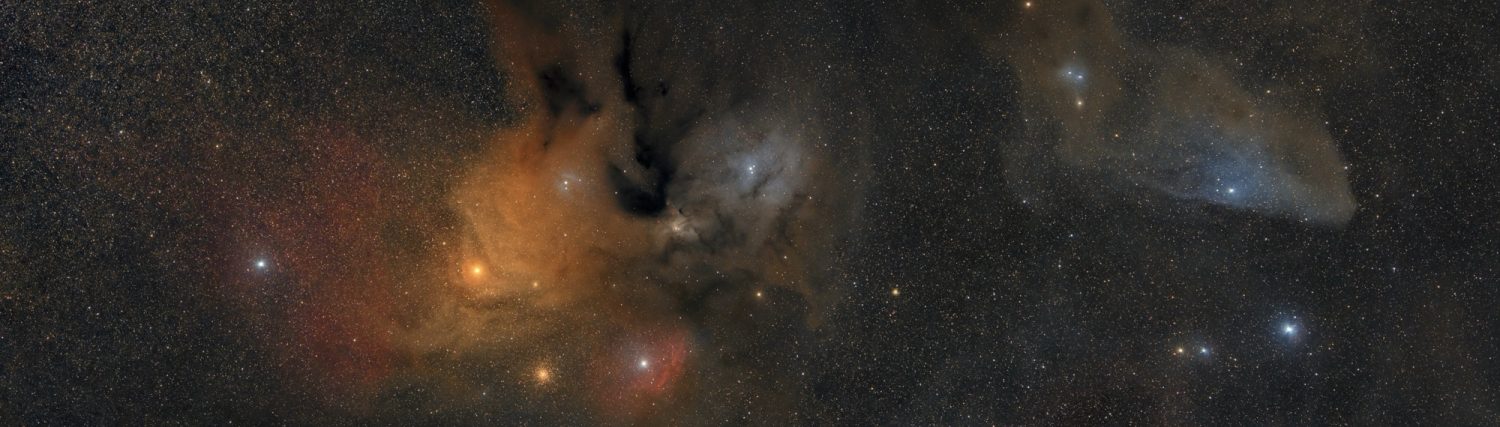
Much of the universe is very cold, more than 100 degrees below zero Celsius, and cannot be seen by even giant optical or infrared telescopes like Hubble or the James Webb Space Telescope. Instead, we need specially designed telescopes that can detect the cold universe. In this talk we’ll learn about how we can detect cold matter, Canada’s pioneering work in this field, and finally the Atacama Large Millimetre/Submillimetre Array (ALMA), a giant telescope in northern Chile, what it’s like to work there, and some of the really cool stuff it’s discovered.
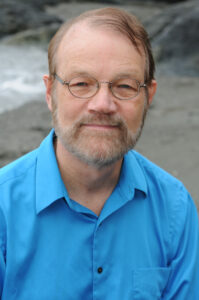
Bio: Dr. Gerald Schieven, a native of southwestern Ontario, got his PhD in Astrophysics at the University of Massachusetts of Amherst, and has worked at Queen’s University (Kingston, Ontario), NASA Jet Propulsion Lab (Pasadena, CA), the Dominion Radio Astrophysical Observatory (Penticton, BC), and the James Clerk Maxwell Telescope (Hawaii), before moving in 2008 to the Herzberg Astronomy and Astrophysics Research Centre in Victoria to manage Canada’s involvement with the ALMA Observatory. Gerald has been a member of the RASC since 1977, and was president of the London Centre in 1980-81. In addition to stargazing, Gerald is an avid gardener and sings in the chorus of Pacific Opera Victoria. Herzberg bio