Date/Time: Wednesday March 11, 2026 starting at 7:30PM
Location: University of Victoria, Bob Wright Centre, Lecture Theatre A104
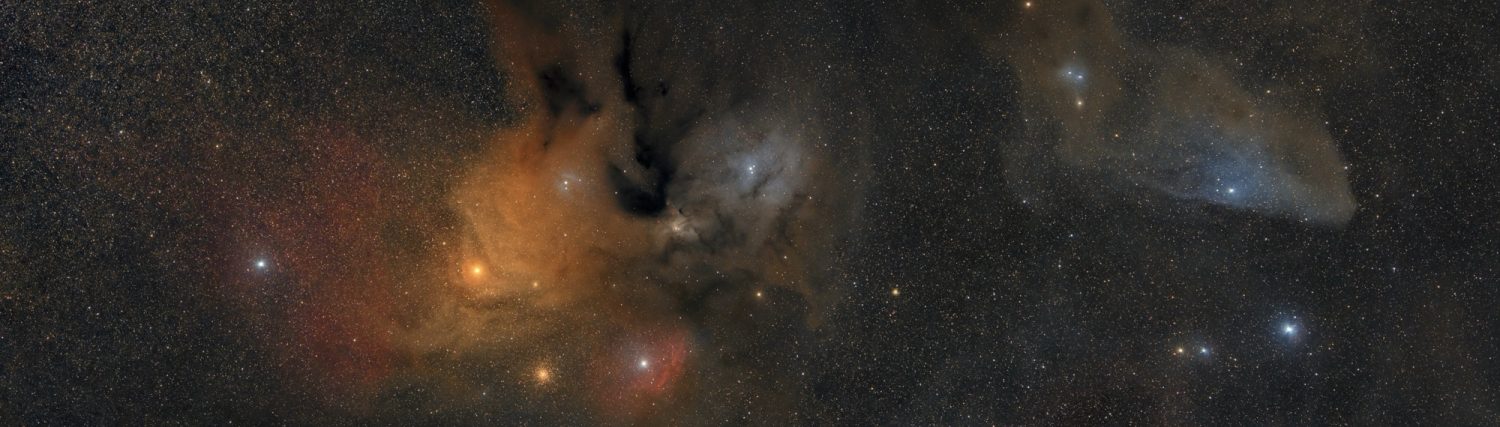
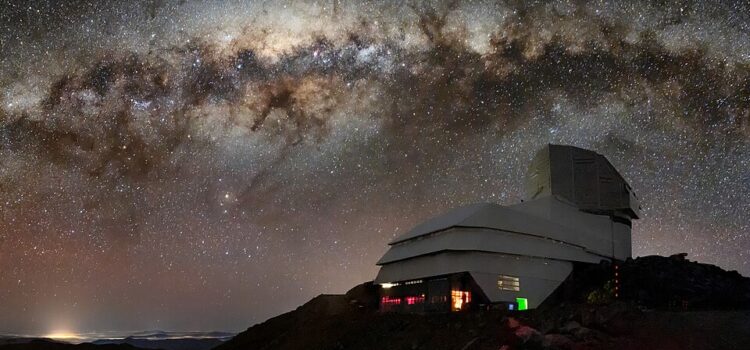
The Vera C. Rubin Telescope is on the verge of officially coming online. Literally any day now, the Rubin science community will receive a hotly anticipated email that the Legacy Survey of Space and Time has officially started. Astronomers around the world are excited, and in this talk I will tell you why! I will first summarize the telescope system itself, and the four main science pillars that guided its design. These pillars are understanding dark energy, creating an inventory of the Solar System, mapping the Milky Way, and understanding the variable Universe.
Rubin is bound to revolutionize each of these topics, but in particular, the variable Universe. The telescope is currently undergoing commissioning engineering efforts. These efforts have proved to be unexpectedly difficult. Even so, Rubin is already sending out many thousands of alerts each night of sources that have changed in brightness, and has already mapped out thousands of new moving bodies in the Solar System. I will talk about the observing strategy and how it has led to those alerts, and some of the early science results.
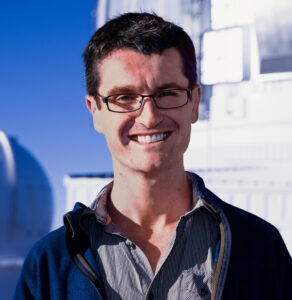
Bio: Wes is an observational astronomer at the Herzberg Astronomy and Astrophysics Research Centre and at the University of Victoria. Since earning his PhD from UVic in 2008, he has made extensive use of many of the world’s most powerful telescopes, including Keck, Gemini, Subaru, Megallan, Hubble, and James Webb. Wes’s research has been focused on understand the planet formation process. To that end he has run many telescope programs that focus on the discovery and characterization of the Solar System’s icy small planetesimal populations, with emphasis on the Kuiper Belt. Wes has been active in the development of the Canada-Rubin program, working on programs to maximize exploitation of the Legacy Survey of Space and Time. Wes Fraser – UVic